There is no such place
as “away” – so don’t
throw away
Energy from waste : Energy from waste means exactly that – creating energy that can be used to light and fuel homes and businesses, from waste. Sounds like a good idea, right?
Maybe Not!
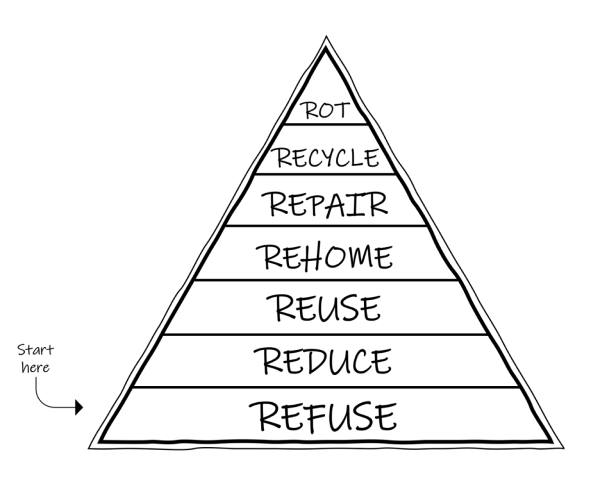
It’s a complex debate. The only thing for sure is that both landfill and incineration should be last resorts and that we should be working hard to REFUSE, REDUCE, REUSE first
The waste hierarchy
Refuse: This is about saying no to things you don’t need, especially items with excessive packaging or those that are single-use. By refusing unnecessary items, you reduce demand for them and ultimately decrease waste.
Reduce: This involves cutting back on consumption overall. By buying and using less, you minimize the resources needed to produce goods and the waste generated from their disposal.
Reuse: Reusing items instead of throwing them away helps extend their lifespan. This can involve repurposing items for new uses, such as using old jars as storage containers, or simply using durable items instead of disposable ones.
Rehome: Giving unwanted items a new home through donation or resale prevents them from ending up in landfills. This extends the useful life of the item and reduces waste.
Repair: Repairing items instead of replacing them helps conserve resources and reduces waste. Whether it’s fixing a torn piece of clothing or repairing a broken appliance, repairing extends the lifespan of goods.
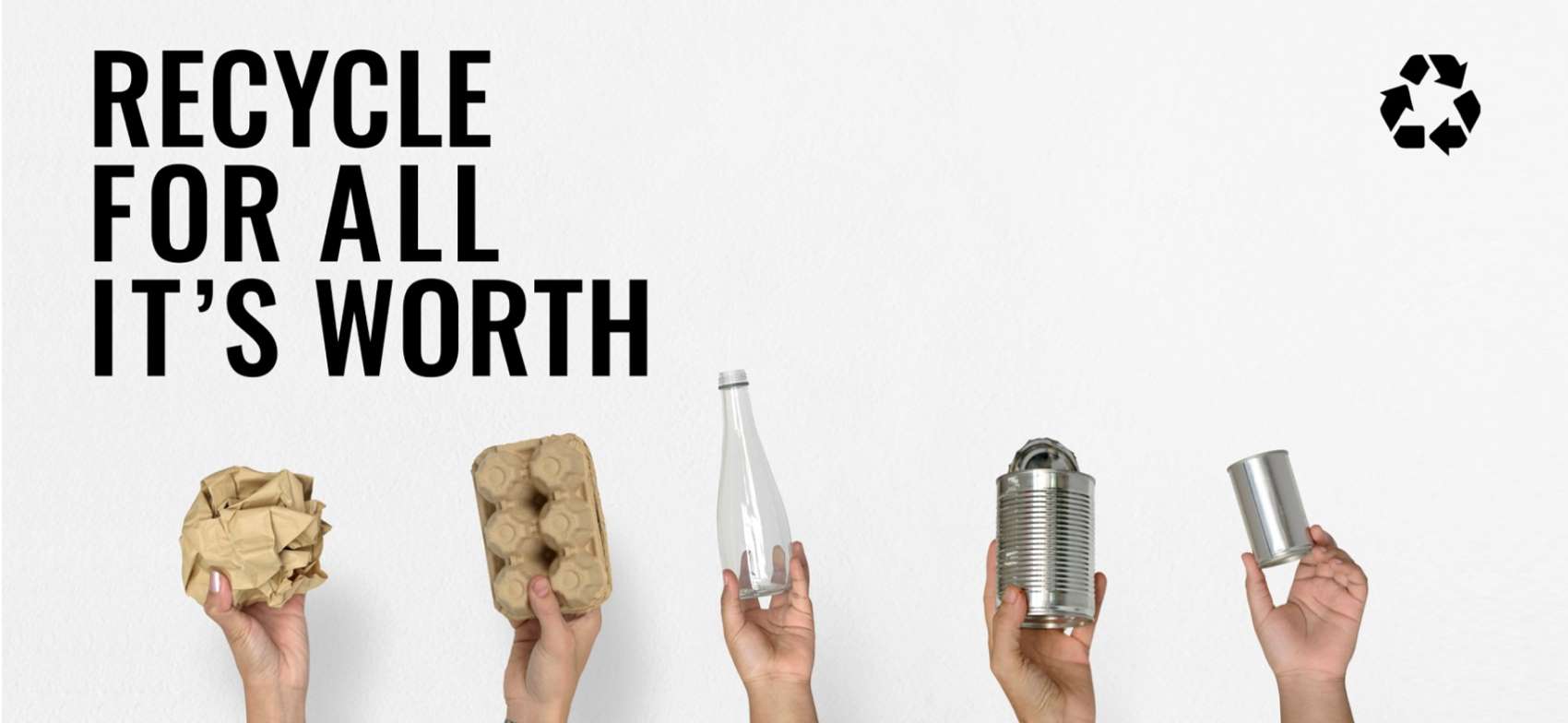
Recycle: Recycling involves converting waste materials into new products. While recycling is beneficial, it’s important to remember that it should come after efforts to refuse, reduce, reuse, and repair, as it still requires energy and resources.
Rot: Composting organic waste allows it to decompose naturally, enriching the soil and reducing the amount of waste sent to landfills.
Things you should never throw away
Textiles – synthetic clothing in landfill conditions could potentially take hundreds of years to decompose. Clothes that you no longer want or need can be passed on to friends, ‘swished’ (see here) or donated to charity shops. Anything that is beyond wear can be put into textile recycling bins, from where it is shredded and recycled.
Electronics – there are e-waste bins at most recycling centres for all kinds of electronics, where many of the precious metals and other materials can be rescued for reuse.
Batteries – they rust and start to leach heavy metals like magnesium and lead, and can also cause landfill fires.
Plastic bags – these should be reused and then recycled in the collection points at your recycling centre or supermarket. In landfill they degrade and break up into microplastics rather than break down.
Plastic bottles – these are widely and fairly easily recycled. In landfill they take hundreds of years to start to break down.
Aluminum cans – again, these are widely recycled and it’s a huge waste of valuable resources to simply throw them ‘away’.
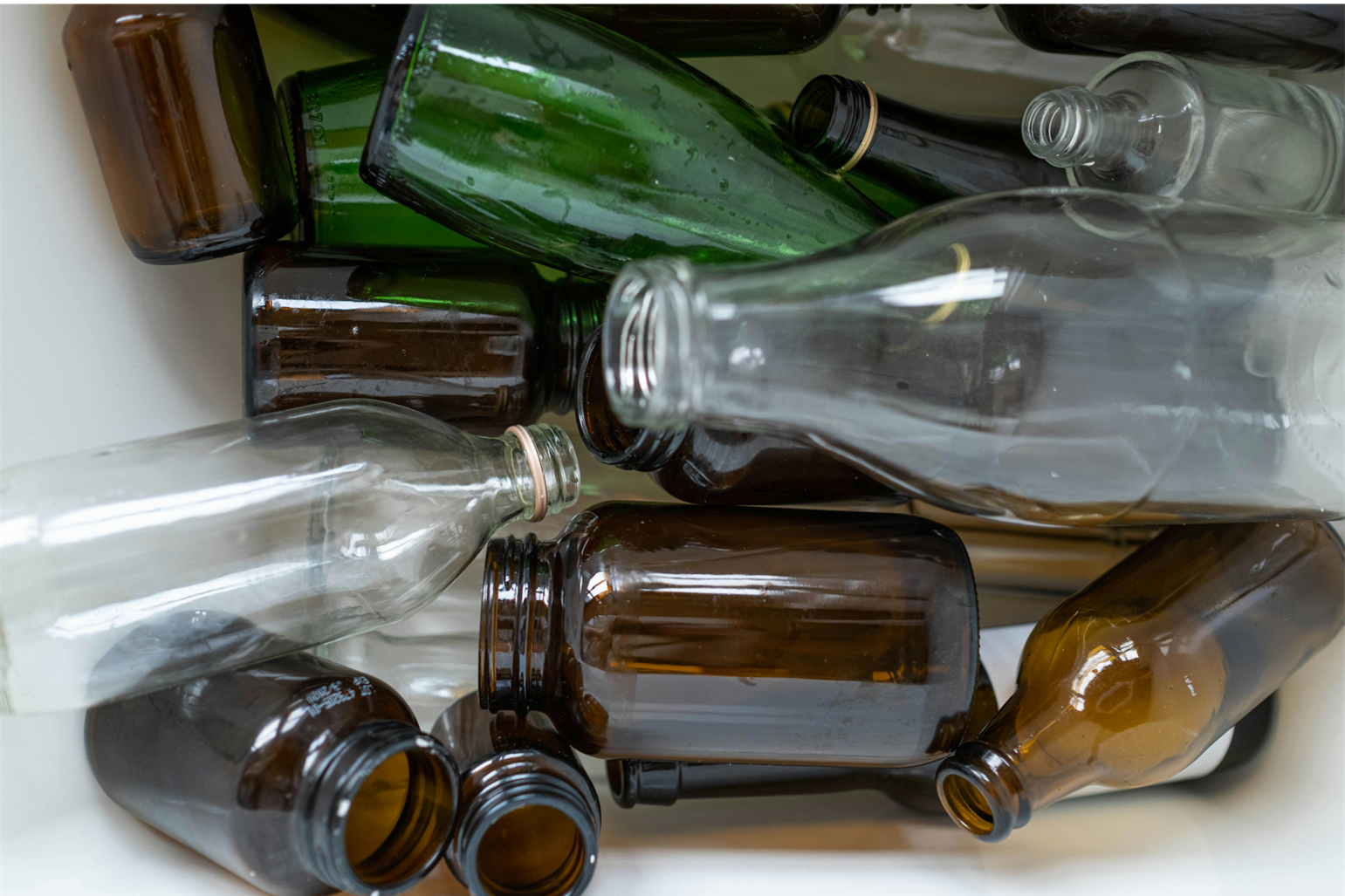
Glass – this can be recycled almost infinitely, so keep it out of landfill!
Smartphones – these are rich in valuable metals, the mining of which is fraught with human rights abuses and conflict and is a very destructive process. It takes a tonne of gold ore to produce a gram of gold. That same gram of gold could be harvested from just 40 iPhones.