UNSDG’s – Creating a Common
Language Around ESG
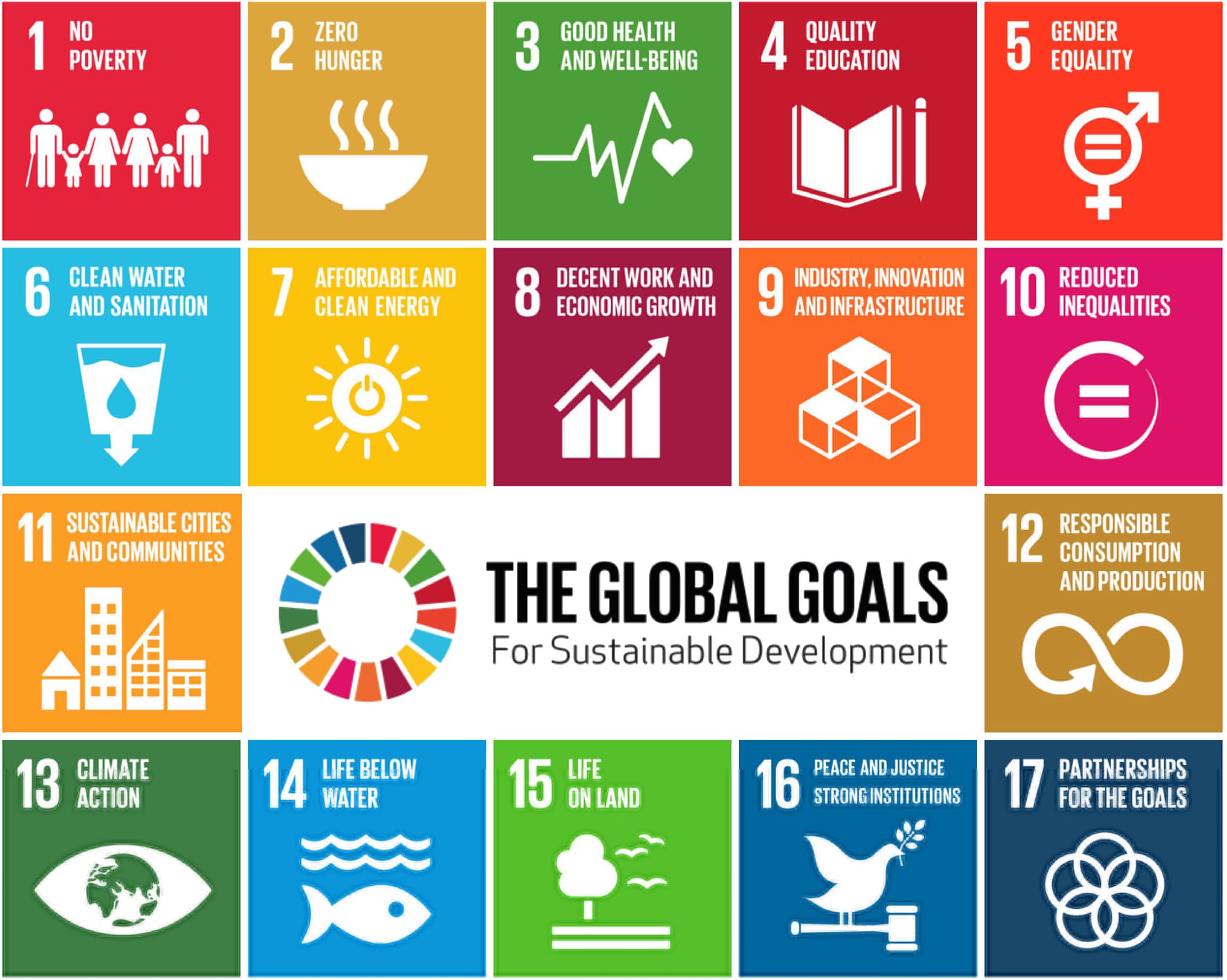
What is United National Sustainable Development Goals
The United Nations Sustainable Development Goals (UNSDGs) serve as a universal call to action to end poverty, protect the planet, and ensure prosperity for all by 2030. While Environmental, Social, and Governance (ESG) criteria have long been used as a framework for evaluating corporate sustainability and ethical impact, the UNSDGs provide a globally recognized set of goals that can help create a common language around ESG.
The United National Sustainable Development Goals Benefits
Universal Framework
The UNSDGs provide a universally accepted framework for addressing key sustainability challenges, encompassing a broad range of environmental, social, and economic issues. By aligning ESG considerations with specific goals and targets outlined in the UNSDGs, organizations can establish a common language and set of reference points for assessing their sustainability performance.
Comprehensive Coverage
The UNSDGs address a wide spectrum of sustainability issues, including poverty eradication, gender equality, climate action, responsible consumption and production, and quality education, among others. By mapping ESG criteria to the relevant UNSDGs, organizations can ensure comprehensive coverage of sustainability priorities and enhance transparency and accountability in reporting.
Goal-Oriented Approach
Each UNSDG is associated with specific targets and indicators that provide clear guidance on desired outcomes and measurable progress. By adopting a goal-oriented approach to ESG integration, organizations can set concrete objectives aligned with the UNSDGs and track their performance against these targets, facilitating comparability and benchmarking across sectors and geographies.
Stakeholder Alignment
The UNSDGs serve as a unifying platform for stakeholders across sectors, including governments, businesses, civil society organizations, and academia. By anchoring ESG initiatives within the framework of the UNSDGs, organizations can foster alignment and collaboration with diverse stakeholders, driving collective action towards shared sustainability goals.
Reporting Consistency
Many organizations report on their sustainability performance using frameworks such as the Global Reporting Initiative (GRI) or the Sustainability Accounting Standards Board (SASB) standards. By referencing the UNSDGs in their reporting, organizations can enhance consistency and comparability in ESG disclosures, making it easier for investors, regulators, and other stakeholders to assess and compare performance across different entities.
Policy Integration
The UNSDGs provide a basis for integrating sustainability considerations into policy development and decision-making processes at the national, regional, and corporate levels. By aligning ESG strategies with the overarching principles of the UNSDGs, organizations can support and contribute to broader efforts to advance sustainable development agendas globally.
The UNSDGs serve as a powerful tool for creating a common language around ESG by providing a universally recognized framework, comprehensive coverage of sustainability issues, goal-oriented approach, stakeholder alignment, reporting consistency, and policy integration. By embracing the UNSDGs as a reference point for ESG integration, organizations can enhance transparency, accountability, and effectiveness in addressing sustainability challenges and contributing to the achievement of global development objectives.